


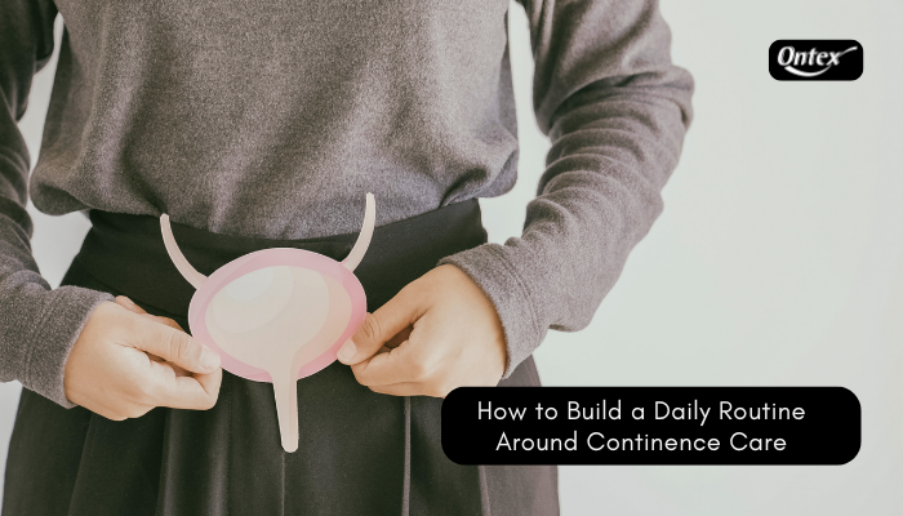
Most people struggle to manage bladder leakage with confidence, especially when symptoms first show up out of nowhere. It isn’t difficult at all once you follow a steady, well-planned daily routine. Small adjustments to your day can turn an overwhelming symptom into something far more manageable.
Interested in how a simple routine can ease bladder leakage and restore everyday confidence? If so, you’re in good hands with Ontex Healthcare, which has helped thousands of Australians manage their symptoms with comfort and dignity. In this blog, you’ll find practical ideas for morning, midday, and night-time routines from us.
The sooner you build a steady routine, the easier bladder leakage becomes to manage. Let’s start with what continence care actually looks like in a typical day.
Continence Care: What It Looks Like Day to Day
Continence care is the daily habits and products that help you manage bladder leakage with confidence.
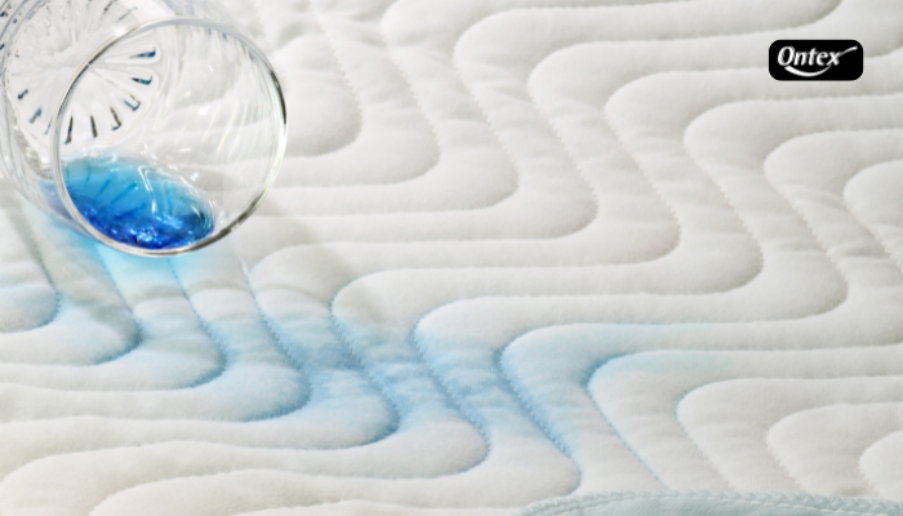
It usually includes a few simple things, like a consistent bathroom schedule, the right protective products, and small lifestyle tweaks that support bladder health. Urinary incontinence, for example, affects people of every age, though it does become more common as you get older. That doesn’t mean it has to take over your day.
Once you build a routine around your symptoms, things start to feel far less stressful. You’ll know what to expect, when to expect it, and how to handle it calmly. So, let’s look at what actually causes bladder leakage in the first place.
What Causes Bladder Leakage? The Different Types Explained
Bladder leakage happens when pelvic floor muscles weaken or nerve signals to the bladder become disrupted.
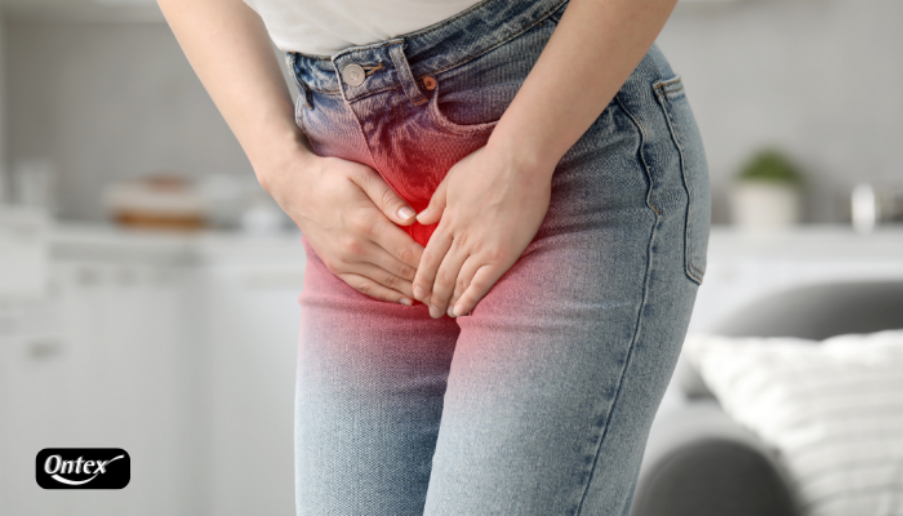
Stress incontinence is one of the most common types, and it happens when pressure on the bladder, like coughing or laughing, causes a small leak. Urge incontinence feels different. It creates a sudden, strong need to urinate that’s hard to control in time, even when the bladder isn’t full.
Now, overflow incontinence. It occurs when the bladder doesn’t empty fully, which leads to frequent dribbling throughout the day. Some people experience mixed incontinence, which combines both stress and urge symptoms together.
Pregnancy, menopause, and weakened pelvic floor muscles can all raise the risk of these different incontinence types. Constipation and ongoing bowel issues also add extra pressure, which makes symptoms feel worse than they need to.
Morning, Midday, and Night: Routines That Treat Incontinence
A routine built around your day makes treating incontinence feel less like a chore and more like second nature. It gives your bladder a predictable rhythm to follow, rather than leaving things to chance.
Let’s break down what that looks like across a typical day.
Starting Your Morning Right
Mornings work best with a steady bathroom routine, fresh continence products, and a light pelvic floor stretch. On top of that, drinking water steadily through the morning supports bladder health better than skipping fluids altogether. Many people make the mistake of cutting back on fluid to avoid leaks, but that often backfires.
A quick check of your supplies, like Ontext Healthcare’s iD pants, sets a confident tone before you even leave the house. It only takes a minute, but it makes the rest of your morning feel far more settled.
Staying Steady Through the Day
Scheduled bathroom breaks throughout the day stop the bladder from becoming uncomfortably full. When attending work, running errands, or grabbing a quick coffee, carrying spare continence products in your bag offers real reassurance. You’ll feel more relaxed knowing you’re covered either way.
We recommend avoiding caffeine and acidic foods because they can irritate the bladder during busy daytime hours. You can try small swaps, like herbal tea instead of coffee, to ease sudden urges without much effort.
Easing Into the Evening, Without the Worry
By the time night rolls around, your body’s ready to slow down, and your routine should support that. Overnight protection like Lille or iD products keeps you protected for longer wear, so leaks don’t interrupt your sleep. Limiting fluids close to bedtime also lowers your chances of waking up for the toilet.
For extra protection, Kylie washable bed protectors add a reliable layer of comfort underneath you while you rest. That way, instead of lying awake worrying about leaks, you can drift off knowing you’re covered. Sleep becomes something to look forward to again, rather than something to dread.
Pelvic Floor Exercises and Other Treatment Options
Continence experts highly recommend pelvic floor exercises because they strengthen bladder control naturally. Once you’re consistent, you can start getting benefits like fewer leaks and stronger daily confidence. Here’s what else can help, depending on your situation:
- Kegel Exercises Build Strength Over Time: Regular kegel exercises target the muscles that support your bladder and bowel. A bladder diary can help track progress and spot patterns in your symptoms.
- Lifestyle Changes Can Ease Symptoms: Losing weight often reduces pressure on the bladder and pelvic floor. You’ll notice big changes like fewer leaks, less urgency, and steadier bladder control once you reach a healthy weight.
- Bladder Training Builds Better Habits: Bladder training means stretching out the time between bathroom visits to retrain your bladder muscle. For example, if you usually go every hour, try pushing it to 90 minutes, then gradually longer from there.
- Medical Treatment Options Exist Too: For more persistent cases, treatment options like an artificial urinary sphincter may be considered. A doctor or continence nurse can recommend the most fitting treatment for your situation, and sometimes medication or surgery comes into play.
Most people see fewer leaks and better bladder control once they combine a few of these approaches.
How Continence Care Affects Your Mental Health Too
Inappropriate bladder leakage can affect your mood, confidence, and willingness to leave the house. So, ignoring these symptoms can lead to withdrawal, anxiety, and a noticeable dip in everyday wellbeing.
Bladder leakage can affect confidence, but the right support eases stress for sure. It reaches further than the physical side, which ultimately determines how you feel at work, with friends, and even at home. That’s worth taking seriously.
On that note, you’ll find it helps to talk openly about continence care with trusted family or carers, since this eases emotional pressure considerably. You don’t have to carry it alone, and most people find relief once they finally bring it up.
You might notice the shift yourself once you start using iD or Lille products daily, feeling more like yourself at the school gate, the office, or out with friends. That kind of confidence can change how your whole day feels.
Your Next Step Towards Steady, Confident Days
Now that you know how to build a routine, here’s how to put it into action today. A consistent routine, paired with the right products, makes continence care far less stressful daily.
A few quick reminders to keep in mind:
- Stick to a steady bathroom and fluid routine.
- Keep spare continence products on hand always.
- Try pelvic floor exercises a few times weekly.
- Talk to your doctor about persistent symptoms.
If you’re struggling to find the right fit, get in touch with our team at Ontex Healthcare. We’ll help you sort the right products for your routine, and maybe even set you up with a free sample to try first.
